
Premium Disposable Vape at Artisan Smoke Shop
Looking for the ABT Lite 32K Raspberry Watermelon Ice in Surrey, British Columbia? At Artisan Smoke Shop, we carry one of the most popular high-puff disposable vapes for adult users who enjoy bold fruit flavours with a refreshing icy finish.
The ABT Lite 32K Raspberry Watermelon Ice disposable vape combines sweet raspberry, juicy watermelon, and a crisp cooling sensation to create a smooth, flavourful vaping experience. Whether you’re searching for a 32,000 puff disposable vape in Surrey, a premium fruit ice vape in BC, or a rechargeable disposable vape near Vancouver, this flavour delivers both performance and convenience.
Why Choose the ABT Lite 32K Raspberry Watermelon Ice?
The ABT Lite 32K Raspberry Watermelon Ice is designed for adult vapers who want exceptional flavour consistency, long-lasting performance, and an easy-to-carry device.
This premium disposable vape offers:
- Up to 32,000 puffs
- Delicious Raspberry Watermelon Ice flavour
- Smooth and satisfying draw
- Rich vapour production
- Rechargeable high-capacity disposable vape
- Compact and ergonomic design
- Consistent flavour from beginning to end
If you’re searching for a long-lasting disposable vape in Surrey or a high puff vape in British Columbia, the ABT Lite 32K is an excellent option.
Raspberry Watermelon Ice Flavour Profile
One reason the ABT Lite 32K Raspberry Watermelon Ice vape continues to grow in popularity is its perfectly balanced flavour combination.
Sweet Raspberry
The raspberry delivers a vibrant berry sweetness with just enough tartness to keep every puff interesting.
Juicy Watermelon
The watermelon adds a refreshing, naturally sweet finish that complements the raspberry without overpowering it.
Refreshing Ice Finish
A cool icy exhale enhances the fruit flavours, creating a clean and refreshing vape that’s enjoyable throughout the day.
For adult users who enjoy fruit ice disposable vapes, berry disposable vapes, or cooling vape flavours, Raspberry Watermelon Ice is a customer favourite.
Long-Lasting 32,000 Puff Performance
The ABT Lite 32K disposable vape is built for users who want fewer replacements and more time enjoying their favourite flavour.
With an impressive 32,000 puff capacity, you can enjoy:
- Longer-lasting performance
- Excellent flavour consistency
- Reliable vapour production
- Better overall value
- Convenient everyday vaping
If you’re comparing high puff disposable vapes in Canada, the ABT Lite 32K stands out for both performance and flavour longevity.
Smooth Airflow and Consistent Vapour
Performance matters just as much as flavour.
The ABT Lite 32K Raspberry Watermelon Ice delivers:
- Smooth airflow
- Balanced throat hit
- Rich vapour production
- Consistent flavour delivery
- Comfortable draw activation
Whether you’re switching from another disposable vape brand or looking for a premium upgrade, the ABT Lite 32K provides a satisfying vaping experience from the first puff to the last.
Compact, Stylish and Travel-Friendly
Designed for convenience, the ABT Lite 32K disposable vape easily fits into your pocket, purse, or backpack.
Its sleek design makes it ideal for:
- Daily commuting
- Weekend outings
- Road trips
- Social gatherings
- Everyday adult vaping
The lightweight construction and comfortable grip make it easy to carry wherever you go.
Why Buy Your ABT Lite 32K from Artisan Smoke Shop?
When you’re looking for a vape shop in Surrey, BC, choosing a trusted local retailer makes a difference.
At Artisan Smoke Shop, we offer:
- Premium disposable vape brands
- Competitive everyday pricing
- Friendly and knowledgeable staff
- Wide flavour selection
- New vape arrivals
- Convenient shopping for customers across Surrey and Metro Vancouver
Customers from Surrey, Langley, Delta, Burnaby, Richmond, New Westminster, Coquitlam, and Vancouver visit Artisan Smoke Shop for quality disposable vapes and reliable customer service.
If you’ve been searching for:
- Buy ABT Lite 32K Raspberry Watermelon Ice in Surrey
- Disposable vape near me
- Vape shop near Surrey Central
- High puff disposable vape BC
- Premium vape store in British Columbia
Artisan Smoke Shop has you covered.
Frequently Asked Questions
Is the ABT Lite 32K Raspberry Watermelon Ice rechargeable?
Yes. The ABT Lite 32K is designed as a rechargeable high-capacity disposable vape, helping users maximize the available puff count.
Who is this flavour best suited for?
The Raspberry Watermelon Ice flavour is ideal for adult vapers who enjoy sweet berry flavours, juicy watermelon notes, and a refreshing icy finish.
Where can I buy the ABT Lite 32K Raspberry Watermelon Ice in Surrey?
You can purchase the ABT Lite 32K Raspberry Watermelon Ice at Artisan Smoke Shop, serving customers throughout Surrey and the surrounding Metro Vancouver area.
Final Thoughts
If you’re looking to buy the ABT Lite 32K Raspberry Watermelon Ice in Surrey, BC, this premium disposable vape offers an excellent combination of flavour, longevity, and convenience. With up to 32,000 puffs, a refreshing blend of raspberry, watermelon, and ice, plus dependable performance, it’s an excellent choice for adult vapers seeking a premium fruit ice disposable vape.
Visit Artisan Smoke Shop to explore the latest ABT Lite 32K disposable vape flavours and discover why customers across Surrey, Vancouver, Langley, Burnaby, Delta, Richmond, and British Columbia trust us for quality vape products and exceptional service.
If you’re looking for a high-quality 10 Inch Single Bubble Oil Glass Pipe, Artisan Smoke Shop offers a carefully selected range of premium glass products designed for durability, performance, and value. Whether you’re replacing an older piece or adding a new one to your collection, our selection is chosen to provide quality craftsmanship at competitive prices.
The 10 Inch Single Bubble Oil Glass Pipe remains one of the most popular styles because it offers a comfortable grip, smooth airflow, and a timeless design that many adult customers prefer.
Why Buy Your Glass Pipe from Artisan Smoke Shop?
At Artisan Smoke Shop, we believe customers deserve authentic products, fair pricing, and knowledgeable service. Every product we stock is selected with quality and reliability in mind, so you can shop confidently knowing you’re purchasing from a trusted local smoke shop in Surrey, British Columbia.
Whether you visit our store or shop online, our team is always happy to help you choose the right accessories and glass products for your needs.
Product Features
- Premium borosilicate glass construction
- Approximately 10-inch length
- Classic single bubble design
- Thick, durable glass
- Smooth airflow
- Comfortable grip
- Heat-resistant construction
- Easy to clean
- Designed for long-lasting use
Premium Craftsmanship That Lasts
A quality glass pipe should offer both durability and excellent performance. That’s why this 10 Inch Single Bubble Oil Glass Pipe is made from premium borosilicate glass, known for its strength, clarity, and heat resistance.
Its thicker construction provides a sturdy feel while helping extend the life of the pipe with proper care.
Smooth Airflow in a Classic Design
The larger 10-inch design allows for a smoother draw while maintaining comfortable handling. Combined with its single bubble chamber, this pipe has become a customer favourite thanks to its reliable performance and classic appearance.
Whether you’re purchasing your first quality glass pipe or upgrading your collection, it’s a style that continues to remain popular.
Easy Maintenance
Keeping your glass pipe clean helps preserve both appearance and performance. The simple bubble design makes routine cleaning straightforward, allowing you to enjoy a consistently clean experience with regular maintenance.
Shop Local at Artisan Smoke Shop
If you’re searching for a glass pipe near me, oil glass pipe in Surrey, or a trusted smoke shop in British Columbia, Artisan Smoke Shop is here to help.
We proudly serve customers throughout:
- Surrey
- Vancouver
- Burnaby
- Richmond
- Langley
- Delta
- Coquitlam
- Abbotsford
- New Westminster
Whether you’re visiting from nearby or ordering online, we’re committed to providing quality products and friendly customer service.
Why Customers Choose Artisan Smoke Shop
Customers continue choosing Artisan Smoke Shop because we offer:
- Authentic smoking accessories
- Competitive everyday pricing
- Premium glass products
- Friendly and knowledgeable staff
- New arrivals added regularly
- Convenient Surrey location
- Excellent customer service
Our goal is to make it easy for adult customers to find quality products they can trust.
Frequently Asked Questions
What material is this glass pipe made from?
This pipe is made from premium borosilicate glass, offering excellent durability and heat resistance.
Why choose a 10-inch bubble pipe?
The longer design provides comfortable handling and allows for a smoother experience compared to many smaller glass pipes.
Does Artisan Smoke Shop carry other glass accessories?
Yes. Artisan Smoke Shop offers a wide selection of premium glass products, smoking accessories, grinders, rolling papers, storage solutions, and more.
Visit Artisan Smoke Shop Today
Whether you’re looking for a 10 Inch Single Bubble Oil Glass Pipe, premium smoking accessories, or the latest arrivals, Artisan Smoke Shop is proud to serve customers across Surrey and the Lower Mainland.
Visit us today to explore our growing collection of quality products backed by friendly service and competitive prices.
Premium Quality Pyrex Glass Smoking Pipe at Artisan Smoke Shop
If you’re looking for a high-quality 6 Inch Pyrex Glass Straight Smoking Pipe Tube, Artisan Smoke Shop offers dependable, well-crafted glass products designed for durability, simplicity, and everyday convenience. Made from premium Pyrex glass, this straight pipe features a classic design that’s easy to use, easy to maintain, and built to last.
Whether you’re replacing an older pipe or adding a new piece to your collection, the 6 Inch Pyrex Glass Straight Smoking Pipe Tube combines quality craftsmanship with excellent value.
Why Choose a Pyrex Glass Straight Smoking Pipe?
Pyrex glass is widely recognized for its strength, heat resistance, and long-lasting durability. Compared to ordinary glass, Pyrex is designed to withstand higher temperatures and regular use while maintaining its clarity and structural integrity.
The straight tube design is a timeless choice for those who appreciate a simple, functional, and reliable glass pipe.
Product Features
- Premium Pyrex glass construction
- Approximately 6-inch length
- Straight tube design
- Heat-resistant glass
- Smooth airflow
- Lightweight and portable
- Comfortable grip
- Durable construction
- Easy to clean and maintain
Built for Durability
Quality matters when choosing a glass pipe. This 6 Inch Pyrex Glass Straight Smoking Pipe Tube is made using durable Pyrex glass that provides excellent resistance to everyday wear when handled with care.
Its sturdy construction offers peace of mind while delivering a clean, reliable experience.
Compact, Portable & Convenient
The 6-inch size offers an excellent balance between portability and comfort. Small enough to carry easily while still providing a comfortable grip, it’s a practical choice for adult customers looking for a dependable glass pipe.
Its straightforward design also makes cleaning and routine maintenance quick and simple.
Why Buy from Artisan Smoke Shop?
At Artisan Smoke Shop, we focus on offering authentic products, competitive prices, and excellent customer service. Our carefully selected collection of glass products and smoking accessories is chosen to provide quality you can trust.
Whether you’re shopping in-store or online, our knowledgeable team is here to help you find the right products for your needs.
Serving Surrey and the Lower Mainland
Customers searching for a Pyrex glass pipe near me, glass smoking pipe in Surrey, or smoke shop in Surrey BC continue to choose Artisan Smoke Shop for our wide selection and friendly service.
We proudly serve customers from:
- Surrey
- Vancouver
- Burnaby
- Richmond
- Langley
- Delta
- Coquitlam
- Abbotsford
- New Westminster
Frequently Asked Questions
What is Pyrex glass?
Pyrex is a high-quality borosilicate glass known for its durability, heat resistance, and long-lasting performance.
Is the 6-inch size easy to carry?
Yes. The compact 6-inch design makes it convenient to store and transport while still providing a comfortable grip during use.
Is this pipe easy to clean?
Yes. Its simple straight tube design allows for quick and straightforward cleaning with appropriate glass cleaning products.
Why shop at Artisan Smoke Shop?
Artisan Smoke Shop is committed to offering authentic products, competitive pricing, knowledgeable customer service, and a growing selection of premium smoking accessories for adult customers.
Shop the 6 Inch Pyrex Glass Straight Smoking Pipe Tube Today
If you’re looking to buy a 6 Inch Pyrex Glass Straight Smoking Pipe Tube in Canada, Artisan Smoke Shop is your trusted destination for premium glass products and smoking accessories.
Visit our Surrey location or browse our online collection to discover quality products backed by reliable customer service and competitive pricing.
Premium Flavour, Smooth Performance & Up to 2500 Puffs
If you’re searching for a disposable vape that delivers great flavour, reliable performance, and hassle-free convenience, the Allo Ultra 2500 Disposable Vape is an excellent choice. Designed for adult vapers who value simplicity and consistency, this compact device offers up to 2500 satisfying puffs without the need for charging, refilling, or replacing coils.
Whether you’re making the switch from traditional cigarettes or simply looking for a dependable everyday disposable vape, the Allo Ultra 2500 combines portability with premium flavour in one easy-to-use device.
Allo Ultra 2500 Is So Popular
The Allo Ultra 2500 has quickly become a favourite among Canadian adult vapers because it delivers exactly what most people are looking for—consistent flavour, smooth airflow, and long-lasting performance. Unlike smaller disposable vapes that run out quickly, the Allo Ultra 2500 is built to last while remaining lightweight enough to carry comfortably in your pocket.
From your first puff to your last, you can expect a satisfying vaping experience with no complicated settings or maintenance.
Key Features
- Up to 2500 puffs
- Premium pre-filled e-liquid
- Smooth nicotine satisfaction
- Draw-activated device
- No charging required
- No refilling or maintenance
- Compact and pocket-friendly
- Leak-resistant design
- Consistent flavour throughout the device’s lifespan
Enjoy Rich, Consistent Flavour
One of the biggest reasons customers choose the Allo Ultra 2500 Disposable Vape is its outstanding flavour selection. Every inhale is crafted to deliver a smooth, balanced taste that remains enjoyable until the device is finished.
Depending on availability, popular flavour options may include:
- Blue Raspberry
- Watermelon Ice
- Mango
- Peach Ice
- Strawberry
- Grape
- Mixed Berry
- Fresh Mint
- Cool Menthol
- Tropical Fruit
Whether you enjoy fruity flavours or refreshing mint blends, there’s an option for almost every preference.
A Disposable Vape That’s Ready Whenever You Are
One of the biggest advantages of the Allo Ultra 2500 is its simplicity. There are no buttons to press, batteries to charge, or tanks to refill.
Simply remove the device from its packaging and inhale.
It’s perfect for commuting, travelling, social events, or anyone who wants a reliable vape without the extra maintenance that comes with reusable devices.
Long-Lasting Performance You Can Count On
Built with an efficient battery and carefully balanced e-liquid capacity, the Allo Ultra 2500 is designed to provide a consistent vaping experience throughout its lifespan.
Instead of experiencing burnt flavour or weak vapour near the end, users appreciate the smooth draw and reliable flavour that make this disposable vape stand out from many standard alternatives.
Who Should Choose the Allo Ultra 2500?
The Allo Ultra 2500 is ideal for adult smokers and vapers looking for:
- A premium disposable vape with excellent flavour
- A long-lasting disposable vape for everyday use
- A beginner-friendly vape with no learning curve
- A compact vape that’s easy to carry
- A convenient backup device for travel
- A smooth nicotine vaping experience
Buy the Allo Ultra 2500 Disposable Vape in Canada
If you’re looking to buy the Allo Ultra 2500 Disposable Vape in Canada, choosing an authorized vape retailer ensures you’re getting an authentic product with fresh inventory and the latest available flavours.
Many customers searching for an Allo Ultra 2500 vape near me prefer shopping at trusted local vape stores where knowledgeable staff can help recommend the perfect flavour based on their preferences.
If you’re located in Surrey, Vancouver, Burnaby, Richmond, Langley, Delta, Abbotsford, or Coquitlam, checking with your local vape shop is one of the best ways to find genuine Allo Ultra products.
Frequently Asked Questions
How many puffs does the Allo Ultra 2500 provide?
The device offers up to approximately 2500 puffs, although actual usage may vary depending on individual vaping habits.
Does the Allo Ultra 2500 need to be charged?
No. The device comes pre-charged and ready to use right out of the box.
Can I refill the Allo Ultra 2500?
No. The Allo Ultra 2500 is a disposable vape designed for single use and should be disposed of responsibly once it has reached the end of its lifespan.
Is the Allo Ultra 2500 suitable for beginners?
Yes. Because it uses a simple draw-activated system with no buttons or settings, it’s an excellent option for adult smokers and new vapers.
The Allo Ultra 2500 Disposable Vape is an excellent choice for adult vapers who want premium flavour, reliable performance, and everyday convenience. With up to 2500 puffs, a wide range of delicious flavours, and a maintenance-free design, it offers everything you’d expect from a quality disposable vape.
Whether you’re searching for a long-lasting disposable vape in Canada, premium Allo vape flavours, or simply want to buy the Allo Ultra 2500 near you, this device continues to be one of the most trusted options available.
Why It’s One of Surrey’s Most Popular Disposable Vapes
If you’re searching for the best disposable vape in Surrey, BC, the ELFBAR Prime Disposable Vape has become one of the most trusted choices among adult vapers looking for premium flavour, reliable performance, and everyday convenience.
Known for its sleek design and smooth vaping experience, the ELFBAR Prime combines innovative technology with vibrant fruit flavours to deliver a satisfying vape from the first puff to the last. Whether you’re new to vaping or looking to upgrade your current disposable device, ELFBAR Prime offers a premium experience designed for adult users.
If you’re looking to buy ELFBAR Prime in Surrey, find authentic ELFBAR vapes near you, or simply want to learn more about this popular disposable vape, this guide will help you make an informed decision.
What is the ELFBAR Prime Disposable Vape?
The ELFBAR Prime Disposable Vape is a premium disposable vaping device designed for convenience, portability, and exceptional flavour. Ready to use straight out of the box, it requires no refilling, complicated setup, or maintenance, making it an excellent option for adult users who want a hassle-free vaping experience.
Its compact design easily fits into your pocket or bag, making it suitable for daily use whether you’re commuting, travelling, or relaxing at home.
Why Adult Vapers Choose ELFBAR Prime
The ELFBAR Prime has earned a strong reputation for delivering consistent flavour and smooth vapour throughout the life of the device.
Unlike many disposable vapes, ELFBAR Prime focuses on balancing premium flavour, comfortable airflow, and reliable performance in a sleek, modern design.
For many adult customers, it has become a dependable everyday vape that offers convenience without sacrificing quality.
Key Features of the ELFBAR Prime Disposable Vape
The ELFBAR Prime is designed to deliver a premium vaping experience with features that make it one of the leading disposable vape devices available today.
- Premium disposable vape device
- Compact and lightweight design
- Ready to use with no setup required
- Smooth and consistent vapour production
- Rich and balanced flavour profiles
- Portable and travel-friendly
- Comfortable ergonomic design
- No refilling or maintenance required
- Reliable everyday performance
Available ELFBAR Prime Flavours
One of the biggest reasons customers love the ELFBAR Prime is its carefully selected flavour collection.
Current flavours include:
Peach Ice
A smooth blend of ripe peach complemented by a refreshing icy finish for a balanced fruit flavour.
Watermelon Ice
Sweet watermelon combined with cooling menthol notes to create a crisp and refreshing vape.
Blueberry Sour Raspberry
A bold combination of juicy blueberries and tangy raspberries delivering a sweet and slightly tart flavour profile.
Triple Mango
A rich tropical mango flavour with layers of sweetness and a smooth finish.
Strawberry Kiwi
A refreshing fusion of sweet strawberries and tangy kiwi for a vibrant fruit-inspired vape.
Which ELFBAR Prime Flavour is Right for You?
Choosing the right flavour depends on your personal preference.
If you enjoy refreshing flavours, Watermelon Ice and Peach Ice offer a cool finish.
For fruit lovers, Triple Mango delivers tropical sweetness, while Blueberry Sour Raspberry provides a balanced blend of sweet and tangy notes.
If you’re looking for a classic fruit combination, Strawberry Kiwi remains one of the most popular choices.
Why Buy the ELFBAR Prime from Artisan Smoke Shop?
When purchasing vaping products, choosing an authorized local retailer helps ensure you’re receiving authentic products and knowledgeable customer service.
At Artisan Smoke Shop, we proudly stock genuine ELFBAR Prime Disposable Vapes along with a wide selection of disposable vapes, pod systems, vape accessories, and premium vaping products.
Whether you’re shopping for your favourite flavour or exploring new options, our team is here to help.
Serving Surrey and Metro Vancouver
Artisan Smoke Shop proudly serves adult customers throughout:
- Surrey
- Newton
- Guildford
- Fleetwood
- Cloverdale
- South Surrey
- White Rock
- Langley
- Delta
- Burnaby
- Richmond
- Metro Vancouver
If you’ve been searching for an ELFBAR Prime near me, our Surrey location offers convenient access to authentic products and friendly service.
Why Shop at a Local Vape Store?
Buying from a trusted local vape shop offers several advantages:
- Authentic products from trusted brands
- Access to the latest flavours
- Helpful recommendations from knowledgeable staff
- Immediate availability without shipping delays
- Support for a local Surrey business
At Artisan Smoke Shop, we strive to provide quality products and excellent customer service for every adult customer who visits our store.
Frequently Asked Questions
Is the ELFBAR Prime easy to use?
Yes. The ELFBAR Prime is designed as a ready-to-use disposable vape that requires no refilling, charging, or complicated setup before use.
Which ELFBAR Prime flavour is the most popular?
Some of the most requested flavours include Blueberry Sour Raspberry, Triple Mango, Watermelon Ice, Peach Ice, and Strawberry Kiwi.
Where can I buy ELFBAR Prime in Surrey?
You can purchase authentic ELFBAR Prime Disposable Vapes at Artisan Smoke Shop, conveniently located for customers across Surrey and the surrounding Metro Vancouver communities.
Buy ELFBAR Prime in Surrey, BC Today
If you’re looking for a premium disposable vape in Surrey, BC, the ELFBAR Prime Disposable Vape offers exceptional flavour, sleek portability, and dependable performance in one stylish device.
Visit Artisan Smoke Shop today to explore the latest ELFBAR Prime flavours and discover why this disposable vape remains one of the most popular choices among adult vapers across Metro Vancouver.
If you’re searching for a high-capacity disposable vape in Surrey, BC, the ALPHA 80K Disposable Vape has quickly become one of the most talked-about devices among adult vapers. Combining long-lasting performance, premium flavour options, and a user-friendly design, the ALPHA 80K is designed for those who want convenience without compromising on quality.
Whether you’re looking for a premium disposable vape in Surrey, buy ALPHA 80K in Metro Vancouver, or simply want to learn more about what makes this device different, this guide covers everything you need to know.
What is the ALPHA 80K Disposable Vape?
The ALPHA 80K Disposable Vape is a high-capacity disposable vaping device engineered for extended performance and consistent flavour. Unlike traditional disposable vapes, the ALPHA 80K features a larger e-liquid capacity and an innovative design that helps deliver a smooth vaping experience from beginning to end.
Designed for adult users who prefer convenience, the ALPHA 80K eliminates the need for refilling while offering premium flavour profiles in a compact and portable device.
If you’re looking for a long-lasting disposable vape in Canada, the ALPHA 80K is becoming a popular choice among experienced adult vapers.
Why is the ALPHA 80K Becoming So Popular?
One of the biggest reasons the ALPHA 80K Disposable Vape continues to gain popularity is its combination of performance and convenience.
Instead of replacing your vape frequently, users can enjoy a longer-lasting device that maintains flavour consistency throughout its lifespan.
Many adult customers also appreciate its modern design, comfortable grip, and smooth airflow, making it suitable for everyday use.
Key Features of the ALPHA 80K Disposable Vape
The ALPHA 80K is designed with premium performance in mind and offers several features that make it stand out.
- Up to 80,000 puffs*
- Large-capacity disposable vape
- Four pre-filled 30mL pod system
- Smooth and consistent flavour delivery
- Portable ergonomic design
- Ready to use
- Premium vapour production
- Long-lasting performance
- Available in multiple flavours
Actual puff count may vary depending on individual usage.
Available ALPHA 80K Flavours
One of the reasons customers enjoy the ALPHA 80K is its premium flavour selection.
Current flavours include:
Extreme Mint
A refreshing mint flavour with an icy finish, perfect for adult users who prefer a cool and crisp vaping experience.
Weekend Watermelon
A juicy watermelon flavour balanced with refreshing cooling notes for a smooth all-day vape.
Bomb Blue Razz
A sweet blue raspberry blend with vibrant fruit notes and a refreshing finish, making it one of the most popular flavours in the ALPHA lineup.
Who Should Choose the ALPHA 80K?
The ALPHA 80K is ideal for adult vapers looking for:
- A long-lasting disposable vape
- Premium flavour consistency
- A ready-to-use device
- A portable everyday vape
- A high-capacity disposable vape
- Smooth vapour production
- Convenient vaping without refilling
Where to Buy ALPHA 80K in Surrey, BC
If you’re looking to buy the ALPHA 80K Disposable Vape in Surrey, choosing an authorized local vape retailer ensures you’re purchasing authentic products backed by knowledgeable customer support.
At Artisan Smoke Shop, you’ll find genuine ALPHA 80K Disposable Vapes along with a wide selection of premium vape products, accessories, and popular flavour options.
We proudly serve customers from:
- Surrey
- Newton
- Fleetwood
- Guildford
- Cloverdale
- South Surrey
- White Rock
- Langley
- Delta
- Burnaby
- Richmond
- Metro Vancouver
Whether you’re shopping in-store or looking for your next favourite flavour, our team is here to help you choose the right device for your needs.
Why Buy from a Local Vape Shop Instead of Ordering Online?
Buying locally offers several advantages beyond simply receiving your device faster.
At Artisan Smoke Shop, customers can:
- Explore available flavours in person
- Receive product recommendations
- Purchase authentic vape products
- Get assistance with compatible accessories
- Support a local Surrey business
Having knowledgeable staff available also makes choosing the right product much easier compared to purchasing from unknown online retailers.
Frequently Asked Questions
Is the ALPHA 80K suitable for everyday vaping?
Yes. Its high-capacity design makes it suitable for adult users looking for a convenient, long-lasting disposable vape.
Which ALPHA 80K flavour is the most popular?
Bomb Blue Razz, Weekend Watermelon, and Extreme Mint are among the most requested flavours at Artisan Smoke Shop.
Where can I buy the ALPHA 80K near me?
If you’re located in Surrey, Newton, Guildford, Fleetwood, Langley, Delta, White Rock, Burnaby, or anywhere in Metro Vancouver, visit Artisan Smoke Shop for authentic ALPHA 80K Disposable Vapes.
Buy the ALPHA 80K Disposable Vape Today
If you’re searching for a premium disposable vape in Surrey, BC, the ALPHA 80K Disposable Vape delivers the performance, flavour, and convenience that many adult vapers are looking for.
Visit Artisan Smoke Shop today to explore the latest ALPHA 80K flavours and discover why it’s becoming one of the most popular high-capacity disposable vape devices available in Metro Vancouver.
Lost Vape Orion Bar 60K: The Ultimate Long-Lasting Disposable Vape in Canada
If you’re searching for the best long-lasting disposable vape in Canada, the Lost Vape Orion Bar 60K is quickly becoming one of the most talked-about devices among vaping enthusiasts. Combining premium design, advanced technology, exceptional flavor, and impressive longevity, the Orion Bar 60K delivers a vaping experience that stands out from ordinary disposable vapes.
At Artisan Smoke Shop, we proudly offer the latest Lost Vape Orion Bar 60K collection, featuring premium flavors, competitive pricing, and expert customer service. Whether you’re an experienced vaper or looking to upgrade to a high-performance disposable vape, the Orion Bar 60K is designed to exceed expectations.
Why the Lost Vape Orion Bar 60K Is One of the Best Disposable Vapes
Disposable vape technology has evolved significantly, and the Lost Vape Orion Bar 60K represents the next generation of premium vaping devices. Designed by Lost Vape, a globally recognized brand known for innovation and quality, this device combines powerful performance with everyday convenience.
Unlike standard disposable vapes that lose flavor after a short period, the Orion Bar 60K is engineered to provide consistent flavor, smooth vapor production, and reliable battery performance throughout its lifespan.
Whether you enjoy fruity blends, refreshing icy flavors, candy-inspired profiles, or classic vape flavors, the Orion Bar 60K offers an enjoyable experience from your first puff to your last.
Key Features of the Lost Vape Orion Bar 60K
Up to 60,000 Puffs
One of the biggest highlights of the Lost Vape Orion Bar 60K is its impressive puff capacity. With up to 60,000 puffs, this device lasts significantly longer than many traditional disposable vapes, making it an excellent value for frequent users.
Rechargeable Battery
Unlike disposable devices that become unusable once the battery runs out, the Orion Bar 60K features a rechargeable battery, allowing you to enjoy every drop of e-liquid without unnecessary waste.
Premium Mesh Coil Technology
The advanced mesh coil ensures:
- Rich flavor production
- Faster heating
- Even vaporization
- Smooth throat hits
- Consistent vapor output
Mesh coil technology has become the preferred choice among experienced vapers because it enhances both flavor quality and vapor production.
Adjustable Airflow
Every vaper has a different preference. The adjustable airflow system lets you customize your inhale, whether you prefer a tighter mouth-to-lung draw or a looser, airier experience.
Sleek Premium Design
The Lost Vape Orion Bar 60K features a modern ergonomic design that’s comfortable to hold, lightweight enough to carry, and stylish enough to match its premium performance.
Outstanding Flavor Performance
Flavor is one of the most important aspects of any disposable vape, and this is where the Orion Bar 60K truly shines.
Each puff delivers:
- Clean flavor
- Smooth vapor
- Excellent consistency
- Balanced sweetness
- Refreshing finish
Whether you enjoy fruity flavors, icy blends, tropical combinations, berry mixes, or dessert-inspired profiles, the Orion Bar 60K is designed to provide a satisfying vaping experience throughout the life of the device.
Why Choose the Lost Vape Orion Bar 60K?
The Orion Bar 60K has become popular because it combines convenience with premium performance.
Benefits include:
- Long-lasting disposable vape
- Rechargeable battery
- Excellent flavor consistency
- High puff count
- Smooth airflow
- Leak-resistant design
- Premium build quality
- Reliable performance
- Compact size
- Easy to use
It’s ideal for users who don’t want to constantly replace disposable devices and prefer a premium vaping experience.
Perfect for Everyday Vaping
Whether you’re commuting, traveling, relaxing at home, or spending time with friends, the Lost Vape Orion Bar 60K is designed to fit your lifestyle.
Its portable design means you can carry it comfortably while enjoying premium performance wherever you go.
Why Buy the Lost Vape Orion Bar 60K from Artisan Smoke Shop?
Choosing the right vape shop is just as important as choosing the right vape device.
At Artisan Smoke Shop, we’re committed to providing customers with authentic products, competitive pricing, and exceptional service.
When you shop with us, you’ll enjoy:
Authentic Lost Vape Products
We stock genuine Lost Vape products, ensuring quality, safety, and reliable performance.
Competitive Prices
We work hard to offer some of the best prices on premium disposable vapes without compromising on quality.
Wide Flavor Selection
Our inventory includes a variety of Lost Vape Orion Bar 60K flavors so you can find one that perfectly matches your taste.
Knowledgeable Staff
Not sure which flavor or device is right for you? Our experienced team is always ready to help you choose the perfect vape.
New Arrivals
We regularly update our inventory with the latest disposable vape releases, ensuring you always have access to the newest products.
Why Customers Love Artisan Smoke Shop
Customers continue to choose Artisan Smoke Shop because we focus on quality, value, and customer satisfaction.
Our customers appreciate:
- Friendly customer service
- Competitive prices
- Premium vape brands
- Authentic products
- Excellent product knowledge
- Convenient shopping experience
- Large selection of disposable vapes
- Latest vaping products
Our goal is to help every customer leave with a product they’ll genuinely enjoy.
Is the Lost Vape Orion Bar 60K Worth Buying?
If you’re looking for a premium disposable vape that offers outstanding flavor, exceptional longevity, rechargeable convenience, and reliable performance, the Lost Vape Orion Bar 60K is an excellent investment.
Its advanced mesh coil technology, adjustable airflow, and high puff count make it one of the strongest choices in today’s disposable vape market.
Whether you’re upgrading from another disposable vape or trying Lost Vape for the first time, the Orion Bar 60K delivers a premium experience that stands above the competition.
Visit Artisan Smoke Shop Today
Ready to experience the Lost Vape Orion Bar 60K for yourself?
Visit Artisan Smoke Shop today to explore our complete collection of Lost Vape products and discover why so many customers trust us for premium disposable vapes in Canada.
Our team is here to help you choose the perfect flavor, answer your questions, and ensure you leave with the right product for your vaping preferences.
Browse our latest arrivals, explore the newest Lost Vape releases, and experience premium vaping backed by exceptional customer service.
When it comes to finding the best Lost Vape Orion Bar 60K in Canada, Artisan Smoke Shop is your trusted destination.
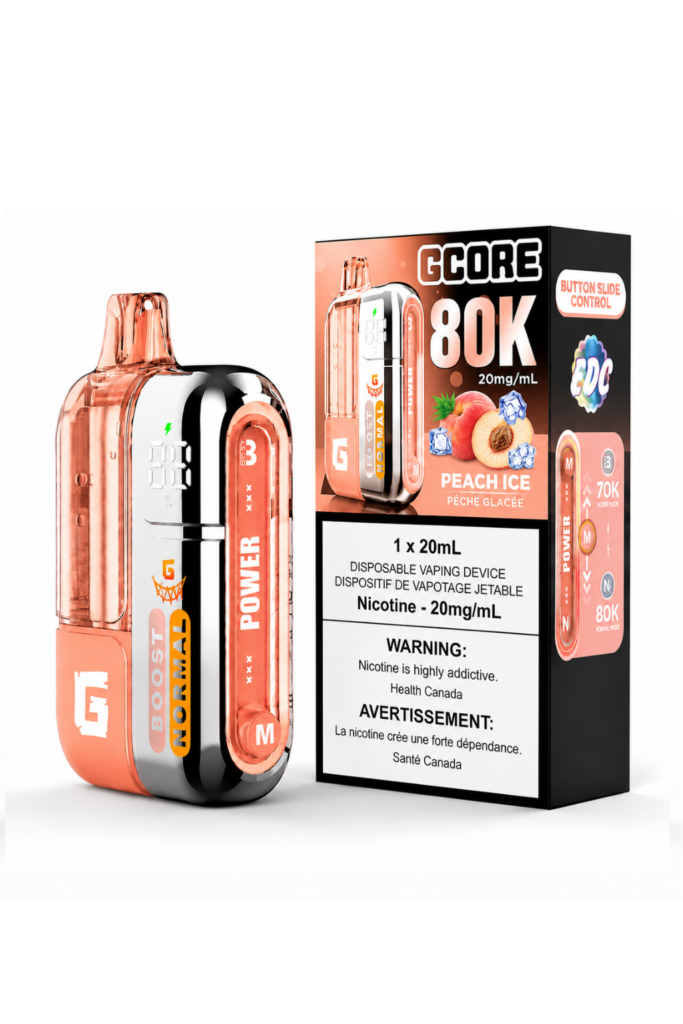
GCore G80K Disposable Vape: The Long-Lasting Vape Canadians Are Choosing in 2026
If you’re looking for a disposable vape that delivers outstanding flavour, reliable performance, and exceptional longevity, the GCore G80K Disposable Vape deserves a spot at the top of your list. Whether you’re an experienced vaper or switching from traditional cigarettes, the GCore G80K offers a premium vaping experience without the hassle of refilling coils or maintaining a complicated device.
In this guide, we’ll explore everything you need to know about the GCore G80K Disposable Vape, including its features, performance, flavour options, battery life, and why it’s becoming one of the most popular disposable vapes in Canada.
What is the GCore G80K Disposable Vape?
The GCore G80K Disposable Vape is a high-capacity rechargeable disposable vape engineered for convenience, flavour consistency, and extended use. Unlike older disposable devices that run out after only a few thousand puffs, the GCore G80K is designed for long-term performance, making it an excellent choice for daily vaping.
Its sleek ergonomic design, rechargeable battery, premium mesh coil technology, and large e-liquid capacity allow users to enjoy smooth, satisfying draws from the first puff to the last.
Whether you prefer icy fruit blends, refreshing mint flavours, or sweet dessert-inspired options, the GCore G80K delivers rich flavour with every inhale.
Why is the GCore G80K So Popular?
One of the biggest reasons behind the popularity of the GCore G80K Disposable Vape is its balance of convenience and premium performance.
Unlike refillable vape kits that require replacing coils, filling e-liquid, and regular maintenance, the GCore G80K is designed for hassle-free vaping.
Simply recharge the battery when needed and continue enjoying your favourite flavour until the device reaches the end of its lifespan.
Users appreciate its:
- Long-lasting puff count
- Consistent flavour delivery
- Smooth airflow
- Strong battery performance
- Leak-resistant construction
- Comfortable grip
- Portable size
These features make it one of the best disposable vape options in Canada.
Premium Mesh Coil Technology
One feature that separates the GCore G80K from many disposable vapes is its advanced mesh coil system.
Mesh coils provide:
- Faster heating
- Better vapour production
- More even e-liquid vaporization
- Richer flavour profiles
- Reduced burnt taste
Instead of flavour fading halfway through the device, the mesh coil helps maintain consistent taste from the first puff to the last.
Whether you’re enjoying Blue Razz, Blueberry Ice, Blueberry Sour Raspberry, Classico Ice, Double Mint, Frozen Grape, Frozen Pineapple, Lychee Ice, Mango Ice, Peach Ice, Strawberry Coconut, R.B., Strawberry Kiwi, or Watermelon Ice, every puff remains clean, smooth, and flavourful.
Rechargeable Convenience
Many disposable vape users become frustrated when a device still contains e-liquid but the battery dies permanently.
The GCore G80K solves this problem with its rechargeable battery, allowing users to recharge the device multiple times before disposal.
Benefits include:
- Less waste
- Better value for money
- Longer device lifespan
- Consistent performance
- More enjoyable vaping experience
For many users, this makes the GCore G80K a smarter investment than standard disposable vapes.
Smooth Draw and Excellent Airflow
Airflow plays a huge role in the vaping experience.
The GCore G80K Disposable Vape offers a balanced draw that’s neither too tight nor too airy.
This makes it ideal for:
- Mouth-to-lung (MTL) vaping
- Former cigarette smokers
- Everyday users
- First-time vapers
- Experienced vape enthusiasts
The smooth inhale provides satisfying nicotine delivery while preserving flavour intensity.
Wide Range of Delicious Flavours
One of the biggest attractions of the GCore G80K Disposable Vape is its wide flavour selection.
Popular flavours include:
- Blue Razz
- Blueberry Ice
- Blueberry Sour Raspberry
- Classico Ice
- Double Mint
- Frozen Grape
- Frozen Pineapple
- Lychee Ice
- Mango Ice
- Peach Ice
- Strawberry Coconut
- R.B.
- Strawberry Kiwi
- Watermelon Ice
Each flavour is carefully developed to provide a balanced combination of sweetness, cooling sensation, and authentic fruit taste.
Whether you enjoy tropical flavours or icy blends, there’s a GCore G80K flavour for every vaping preference.
Who Should Buy the GCore G80K?
The GCore G80K Disposable Vape is ideal for:
- People switching from smoking
- Daily disposable vape users
- Travellers
- Busy professionals
- Adult vapers looking for convenience
- People wanting maintenance-free vaping
- Users searching for long-lasting disposable vapes
Its compact size also makes it perfect for carrying in your pocket, backpack, purse, or travel bag.
Why the GCore G80K Stands Out
Compared to many disposable vape brands, the GCore G80K offers several advantages:
- Long-lasting rechargeable battery
- Premium mesh coil technology
- Excellent flavour consistency
- Compact and lightweight design
- Smooth airflow
- Comfortable ergonomic grip
- Reliable vapour production
- Leak-resistant construction
- Minimal maintenance required
These features combine to create a premium vaping experience that many users consider superior to traditional disposable devices.
Tips for Getting the Best Experience
To maximize the life of your GCore G80K Disposable Vape:
- Store it in a cool, dry place.
- Avoid exposing it to extreme heat.
- Recharge the battery before it becomes completely empty.
- Keep the mouthpiece clean.
- Avoid continuous chain vaping for long periods.
Proper care helps preserve flavour quality, battery performance, and vapour production.
Why Buy Your GCore G80K from Artisan Smoke Shop?
When purchasing a premium disposable vape, choosing a trusted vape retailer is just as important as choosing the device itself.
Artisan Smoke Shop is one of Surrey, BC’s trusted vape stores, offering a carefully selected range of authentic disposable vapes, including the popular GCore G80K collection.
When you shop with Artisan Smoke Shop, you receive:
- 100% authentic GCore products
- Competitive pricing
- Knowledgeable customer service
- Wide flavour selection
- Latest disposable vape arrivals
- Reliable inventory
- Friendly in-store shopping experience
Whether you’re looking for Blue Razz, Mango Ice, Watermelon Ice, Strawberry Kiwi, Frozen Pineapple, Peach Ice, or Double Mint, Artisan Smoke Shop makes it easy to find your favourite flavour.
If you’re searching online for GCore G80K Disposable Vape Canada, best disposable vape in Surrey BC, rechargeable disposable vape near me, premium vape shop in Surrey, or buy disposable vapes in Canada, Artisan Smoke Shop is your trusted destination.
Visit Artisan Smoke Shop today and discover why thousands of Canadian vapers choose the GCore G80K Disposable Vape for its exceptional flavour, rechargeable convenience, premium mesh coil technology, and long-lasting performance. Explore the complete collection, find your favourite flavour, and enjoy a premium vaping experience backed by quality products and excellent customer service.
In this guide, we explore Canadian vaping product regulations to help you make the best choice.
Understanding Canadian Vaping Product Regulations
Navigating the complex landscape of Canadian vaping product regulations is essential for both retailers and consumers. In Canada, the Tobacco and Vaping Products Act (TVPA) serves as the primary federal framework to regulate the manufacture, sale, and labeling of vaping devices and liquids. These laws are designed to protect youth from nicotine addiction while ensuring adults have access to regulated alternatives.
You can find more detailed information on the federal framework through the Government of Canada’s TVPA legislation. At Artisan Smoke Shop, we ensure all our inventory meets these rigorous standards.
Shop Recommendation: Explore Gcore Salt Nic Juice.
Nicotine Concentration Limits in Canada
One of the most significant aspects of Canadian vaping product regulations is the federal cap on nicotine concentration. Since 2021, the maximum nicotine content allowed in any vaping liquid sold in Canada is 20 mg/mL. This regulation applies to both freebase nicotine and nicotine salts, aiming to reduce the risk of nicotine poisoning and dependence.
We carry a wide variety of compliant Nic Salt Juices that provide a satisfying experience within these legal limits.
Shop Recommendation: Explore Allo Salt Nic Juice.
Child-Resistant Packaging (CRC) Requirements
Safety is a priority under Canadian vaping product regulations, which is why Child-Resistant Containers (CRC) are mandatory for all vaping devices and pods. This means that tanks, pods, and bottles must be designed to prevent accidental ingestion by children. Manufacturers must test their hardware to meet specific ISO standards before they can be legally sold in the Canadian market.
For more information on safety standards, visit Health Canada’s vaping safety page. We offer many CRC-compliant options in our STLTH Pods collection.
Shop Recommendation: Explore STLTH Pods.
Provincial Variations and Flavour Restrictions
While federal laws provide a baseline, it is important to remember that provinces can implement stricter Canadian vaping product regulations. For instance, provinces like Quebec, Nova Scotia, and Prince Edward Island have implemented bans on certain flavours to discourage youth use. Always check your local provincial laws to see if specific restrictions apply to the sale of Disposable Vapes or flavoured juices in your area.
Shop Recommendation: Explore Flavour Beast Disposable Vape.
In this guide, we explore vape product safety standards to help you make the best choice.
The Importance of Vape Product Safety Standards
When choosing a device or e-liquid, understanding vape product safety standards is essential for a secure and enjoyable experience. In Canada, these standards are strictly governed to ensure that hardware meets electrical requirements and e-juices are manufactured with transparency. Following the Tobacco and Vaping Products Act, retailers must only provide products that meet specific nicotine limits and child-resistant packaging requirements.
For more information, check out Health Canada Vaping Regulations.
Shop Recommendation: Explore Nic Salt Juices.
Hardware Reliability and Battery Safety
Hardware is a critical component of vape product safety standards. Reliable manufacturers prioritize battery protection circuits and overheat protection. To maintain safety, vapers should always use the charging cable provided with their device and inspect batteries for any signs of damage. High-quality brands undergo rigorous testing to ensure their portable vaporizers operate within safe parameters even under heavy use.
For more information, check out Government of Canada Product Safety.
Shop Recommendation: Explore Aspire Portable Vaporizers.
Compliance in Disposable Vapes
Disposable vapes have become increasingly popular, making it more important than ever to verify they meet Canadian vape product safety standards. This includes ensuring the device is a legitimate product rather than a counterfeit and that the e-liquid inside follows federal nicotine concentration caps. Authenticating your device via the manufacturer’s QR code is a simple way to confirm you are using a compliant and safe product.
For more information, check out Wikipedia: Electronic Cigarette Regulation.
Shop Recommendation: Explore Disposable Vape.
Safe Storage and Maintenance Best Practices
Adhering to vape product safety standards extends to how you handle your gear at home. Always keep your devices and nicotine products in a cool, dry place and out of reach of children or pets. Regular maintenance, such as cleaning the connection points on your portable vaporizers, prevents residue buildup that could lead to electrical shorts or poor performance.
For more information, check out Health Canada: Vaping Safety.
Shop Recommendation: Explore Portable Vaporizers.